
Blog
How do l hide lines in paint by number?

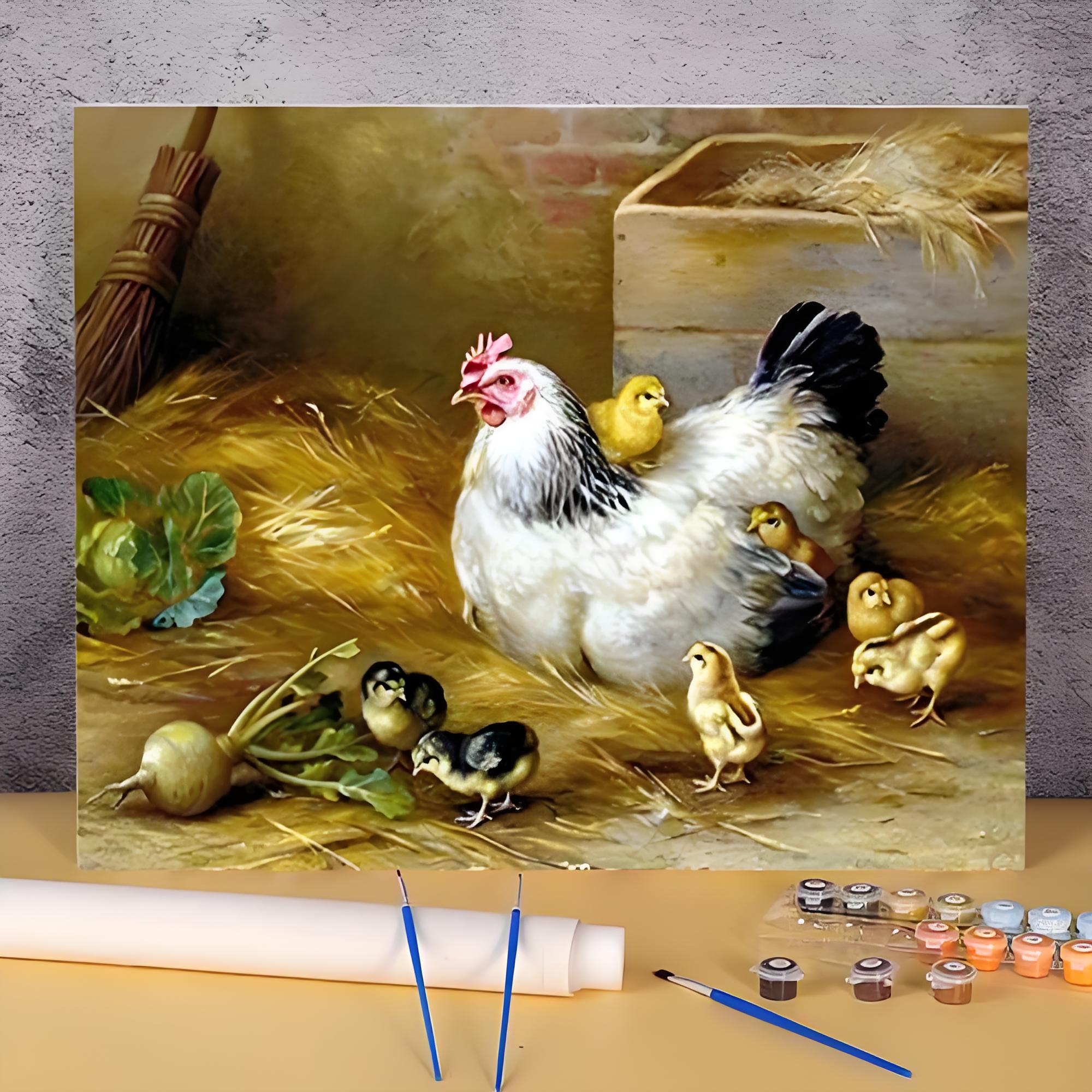
aint by numbers kits have garnered immense popularity for their ability to transform beginners into artists. These kits simplify the painting process by dividing a picture into sections, each marked with a number corresponding to a specific color. This method ensures that even those with little artistic experience can create beautiful artwork. I remember my first kit, the joy of seeing the image come to life as I filled in each section, taught me the importance of patience and precision.
The components of these kits typically include a canvas with a numbered outline, a set of paint pots, and a few brushes. The canvas is usually made from high-quality material, ensuring a smooth surface for painting. The paint pots are filled with acrylic paints, known for their vibrant colors and quick-drying properties. Brushes of varying sizes allow for both broad strokes and detailed work, making it easier to cover large areas and add intricate details.
Embarking on a paint by numbers journey provides an opportunity to relax and express creativity. It’s fascinating to watch how numbers transform into beautiful landscapes or portraits. This structured approach also helps in gaining a deeper understanding of color coordination and blending techniques. By the end of a project, not only do we have a finished piece of art, but also a sense of accomplishment and enhanced painting skills.
Why Hiding Lines is Essential for a Polished Finish
While the numbered outlines serve as a helpful guide, they can sometimes remain visible through the paint, detracting from the artwork's overall appearance. Hiding these lines is crucial to achieving a polished and professional look. Visible outlines can distract from the image's intended beauty and may make the painting appear unfinished.
A seamless finish helps to unify the entire piece, creating a cohesive and visually appealing result. By effectively concealing the lines, we ensure that the focus remains on the colors and composition rather than the structure behind it. This approach elevates the artwork from a simple craft project to a masterpiece worthy of display.
Moreover, mastering the technique of hiding lines enhances our painting skills. It challenges us to experiment with various methods, such as blending and layering, which are essential techniques in the broader world of painting. These skills not only improve our paint by numbers projects but also prepare us for more advanced artistic endeavors.
Effective Techniques to Hide Lines
Hiding lines in a paint by numbers kit requires a mix of technique and practice. One effective method is to use a slightly thicker layer of paint. By applying multiple coats, we can ensure that the lines are fully covered. It’s important to let each layer dry before applying the next to avoid smudging and maintain the integrity of the colors.
Another technique involves blending colors at the edges of sections. This not only hides the lines but also creates a smoother transition between different areas of the painting. By using a small, round brush, we can carefully blend the colors along the lines, making them less noticeable and adding depth to the artwork.
Finally, incorporating a bit of creativity can also help in concealing lines. For instance, adding tiny details or textures over the lines can disguise them while enhancing the overall appearance of the painting. These techniques demand patience and precision, but the results are well worth the effort, turning a simple paint by numbers kit into a sophisticated piece of art.
Choosing the Right Tools for a Seamless Look
The tools we use play a significant role in achieving a seamless finish in paint by numbers projects. Selecting the right brushes is crucial; small, detailed brushes are ideal for covering up lines and blending colors. A variety of brush sizes allows us to tackle different areas of the painting with ease, from broad backgrounds to intricate details.
The quality of the paint is equally important. High-quality acrylic paints provide better coverage and more vibrant colors, making it easier to hide lines. Investing in a good set of paints can make a noticeable difference in the final appearance of the artwork. Additionally, having extra colors on hand can be beneficial for mixing and blending purposes.
Lastly, a good palette is essential for mixing colors. A palette with a smooth surface allows for easy blending and prevents paint from drying too quickly. This tool enables us to experiment with different color combinations and achieve the desired hues necessary for a flawless finish. By choosing the right tools, we set ourselves up for success and ensure that our artwork looks as professional as possible.
Step-by-Step Guide to Blending Colors
Blending colors is a vital technique in painting, especially when it comes to hiding lines in paint by numbers projects. Here’s a step-by-step guide to mastering this skill:
- Prepare Your Colors: Begin by selecting the colors you wish to blend. It’s helpful to have a palette with space to mix these colors slightly, achieving a gradient effect.
- Wet the Canvas: Lightly dampen the area you plan to work on. This helps the paint to blend more smoothly. Be careful not to soak the canvas, as too much water can cause the paint to run.
- Apply the Base Color: Start with the lighter color, applying it along the edge of the section. Use smooth, even strokes to cover the area, stretching slightly beyond the line to ensure complete coverage.
- Add the Second Color: Before the base color dries, apply the darker color next to it. Use a clean brush for this step to prevent unwanted mixing.
- Blend the Colors: With a clean, dry brush, gently mix the two colors where they meet. Use circular or side-to-side motions to create a seamless transition. Patience is key; take your time to achieve the desired effect.
- Refine and Adjust: If necessary, adjust the blending by adding more of either color. Continue to blend until the line is no longer visible and the colors transition smoothly.
By following these steps, we can effectively blend colors and conceal lines, resulting in a more professional-looking piece of art.
Using Layering Techniques to Conceal Outlines
Layering is another powerful technique for hiding outlines in paint by numbers projects. This approach involves applying multiple layers of paint to build up color and texture, effectively concealing any visible lines beneath.
Steps for Effective Layering:
- Identify Key Areas: Focus on sections where lines are most prominent and consider using layering to conceal them effectively.
- Apply the Base Layer: Start with a thin layer of paint, covering the entire section. This initial layer serves as a foundation, providing the base color for further layers.
- Build Up Layers: Once the base layer dries, apply additional layers of paint. Each layer should be slightly thicker than the last, ensuring complete coverage of the lines. Allow each layer to dry before proceeding to the next.
- Add Details and Highlights: Use the final layers to add details and highlights. This not only conceals lines but also enhances the overall texture and depth of the painting.
Layering requires a bit of patience and precision, but the results are worth the effort. By mastering this technique, we can achieve a polished and professional finish in our paint by numbers projects.
Tips for Achieving a Professional Finish
Achieving a professional finish in painting by numbers projects involves more than just hiding lines. Here are some additional tips to elevate your artwork:
- Work in a Well-Lit Area: Good lighting is crucial for seeing the details of the painting and ensuring accurate color application. Natural light is ideal, but a well-placed lamp can also do the trick.
- Maintain Clean Brushes: Regularly clean your brushes to prevent colors from becoming muddied. This ensures that each section is filled with the intended color, maintaining the vibrancy of the artwork.
- Take Breaks: Painting requires focus and patience. Taking breaks helps to maintain concentration and prevents fatigue, resulting in a more precise and polished finish.
- Use a Fixative Spray: Once the painting is complete, consider using a fixative spray to protect the artwork. This not only preserves the colors but also adds a professional sheen to the finished piece.
By incorporating these tips into our painting process, we can enhance the quality of our artwork and achieve a professional finish that we can be proud of.
Common Mistakes to Avoid When Painting
Despite the structured nature of paint by numbers kits, there are common mistakes that can impact the final result. Being aware of these pitfalls can help us avoid them and ensure a successful painting experience.
- Rushing the Process: One of the most common mistakes is rushing through the painting process. Taking the time to carefully fill each section and allowing layers to dry fully is crucial for a smooth finish.
- Ignoring Instructions: Each kit comes with specific instructions regarding color application. Ignoring these guidelines can lead to incorrect color placement and an overall disjointed appearance.
- Overloading the Brush: Applying too much paint to the brush can result in uneven coverage and visible brush strokes. Using the right amount of paint ensures a smoother application and better coverage of lines.
By being mindful of these common mistakes, we can enhance our painting technique and achieve a more polished and professional outcome.
Conclusion: Embracing Your Creativity with Paint by Numbers
Paint by numbers is more than just a hobby; it's a journey into the world of art and creativity. By learning to hide lines and mastering techniques like blending and layering, we unlock new levels of artistic expression. Each project offers an opportunity to improve our skills, create something beautiful, and experience the joy of painting.
As we continue to explore the art of paint by numbers, I encourage you to embrace your creativity and take pride in your work. The techniques and tips shared in this article are tools to help you achieve a professional finish and create artwork that you can proudly display. Whether you're a seasoned artist or a beginner, remember that practice makes perfect, and with each painting, you’re honing your craft.